

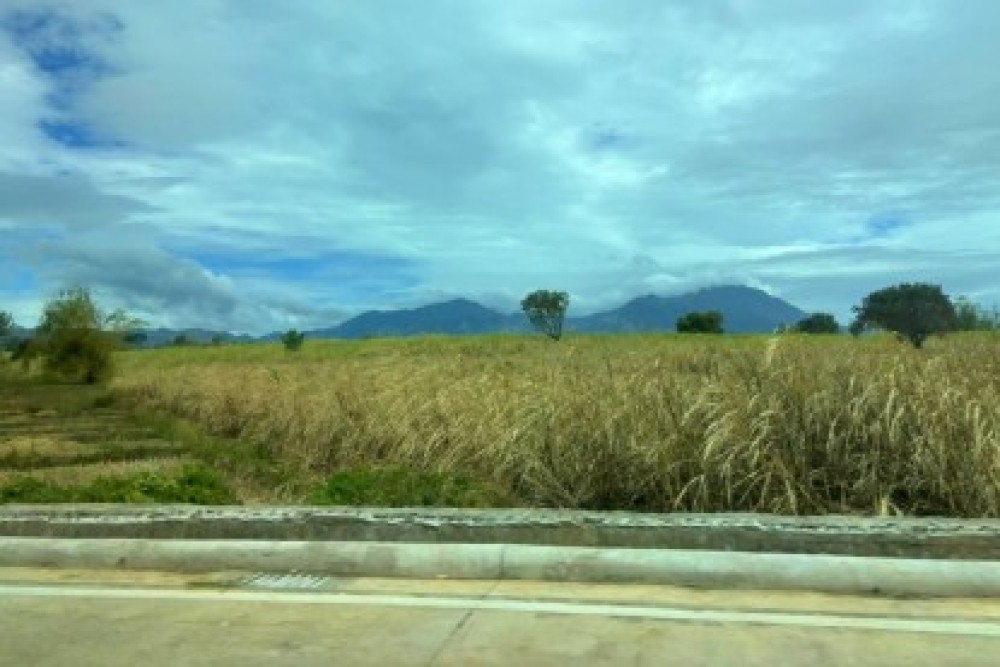
DUMAGUETE CITY – Local government units (LGUs) in Negros Oriental are rallying behind the Sugar Regulatory Administration’s (SRA) initiative to combat the red-striped soft scale insect (RSSI), which threatens the province’s sugarcane farms.
A statement released Tuesday said Gov. Manuel Sagarbarria committed the province’s support during a technical discussion initiated by the SRA with provincial and municipal officials recently.
“The provincial government will actively work with SRA to implement pest management strategies and mobilize resources to safeguard our sugar industry,” Sagarbarria was quoted in the statement.
He noted that sugar is a “vital economic driver and livelihood source for thousands of Negrenses”.
The meeting, organized by the SRA’s Research, Development and Extension (RDE) Department, is aimed at boosting cooperation with Negros Oriental LGUs in addressing the growing RSSI infestation.
Dr. Ma. Lourdes Almodiente, OIC-Deputy Administrator for RDE, and Helen Lobaton, RDE-Visayas Manager III, led the SRA delegation in presenting the agency’s intervention programs.
They highlighted the need for joint action among national agencies, LGUs, and sugar industry stakeholders to safeguard one of the country’s top sugar-producing provinces.
SRA officials implemented proactive measures to prevent the further spread of RSSI, such as de-trashing old and infested leaves, managing weeds to eliminate alternative pest hosts, and applying insecticides carefully in heavily infested areas.
The agency emphasized that, under Integrated Pest Management (IPM), chemical control should be a last resort due to concerns about pesticide resistance.
To promote eco-friendly options, SRA-LGAREC researchers are conducting field trials using beneficial fungi as a biological control agent against RSSI.
If proven effective, the fungi will be mass-produced and distributed free of charge to farmers, planters’ groups, sugar mills, and other stakeholders.
