

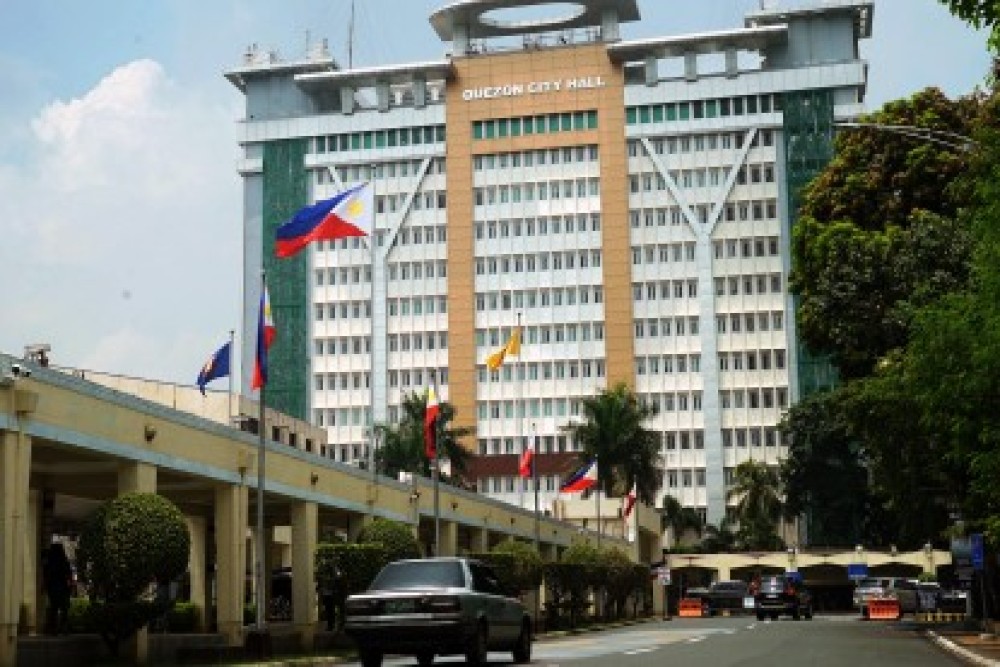
The Quezon City government is set to receive a grant of $300,000 after it was named one of six global grantees of the 2025 Global Cities Fund for Migrants and Refugees.
In a social media post on October 3, the city government said the program, under the Mayors Migration Council (MMC), aims to help cities implement bold, city-led solutions that drive economic inclusion for migrants, refugees, and receiving communities.
“Domestic workers are the backbone of our care economy, yet too often, they are excluded from the protections they deserve—especially migrant women returning from jobs abroad,” Mayor Joy Belmonte said.
The city government said the funding will finance the launch of “QC Cares,” its first cooperative for domestic workers and returning OFWs.
It said the program will provide members with access to savings and credit schemes, training, job-matching services, and social protections designed to promote long-term financial security and employment opportunities.
“Through QC Cares, Quezon City will provide these workers with business ownership, access to credit, training, and employment pathways. With support from the Global Cities Fund for Migrants and Refugees, this project will impact generations—uplifting families, strengthening our workforce, and promoting dignity and equity within and beyond our borders.”
Aside from QC, other grantees include Boston, United States; Turin, Italy; Kanifing, The Gambia; Koboko, Uganda and Manta, Ecuador.
The MMC said each city is piloting inclusive economic models to expand opportunities for migrants, refugees, and receiving communities.
The MMC said cities “generate over 80 percent of global gross domestic product (GDP), offering unmatched opportunities for newcomers compared to rural areas or refugee camps from diverse labor markets to entrepreneurial prospects”.
In turn, urban migrants and refugees power local economies as they fill labor shortages, sustain essential services, and drive innovation in sectors like healthcare, climate resilience, and caregiving.
“Yet too often, migrants and refugees face barriers that restrict their economic potential, including limited access to work authorization and financial systems, vulnerability in the informal or gig economy, and systemic discrimination, undermining prosperity for both newcomers and longtime residents,” MMC Executive Director Vittoria Zanuso said.
“Mayors continue to deliver solutions that include in their local economies those who are often overlooked. We’re proud to help cities turn migration into a competitive advantage—unlocking prosperity not just for newcomers, but for all,” she added.
